










 TV Operators
  Healthcare
  Digital Signage
  Hospitality
  Education








 TV Operators
  Healthcare
  Digital Signage
  Hospitality
  Education


Digital displays have become increasingly popular today. From retail stores to hotels, restaurants, schools, airports, office buildings, and digital street signs, business owners across all industries seem convinced that this technology is the next big thing.
But why?
Here are some benefits of digital signage and why it’s probably the best solution for your business!
Key takeaways
- The key benefit of digital signage is its flexibility combined with the ability to deliver dynamic, real-time content and target audience, through location-specific screens.
- Digital signage displays get more views and longer attention spans than traditional static signage.
- Digital signage systems are more cost-effective, especially when there’s a need for frequent content updates.

What are the key digital signage benefits?
1. Gets more views
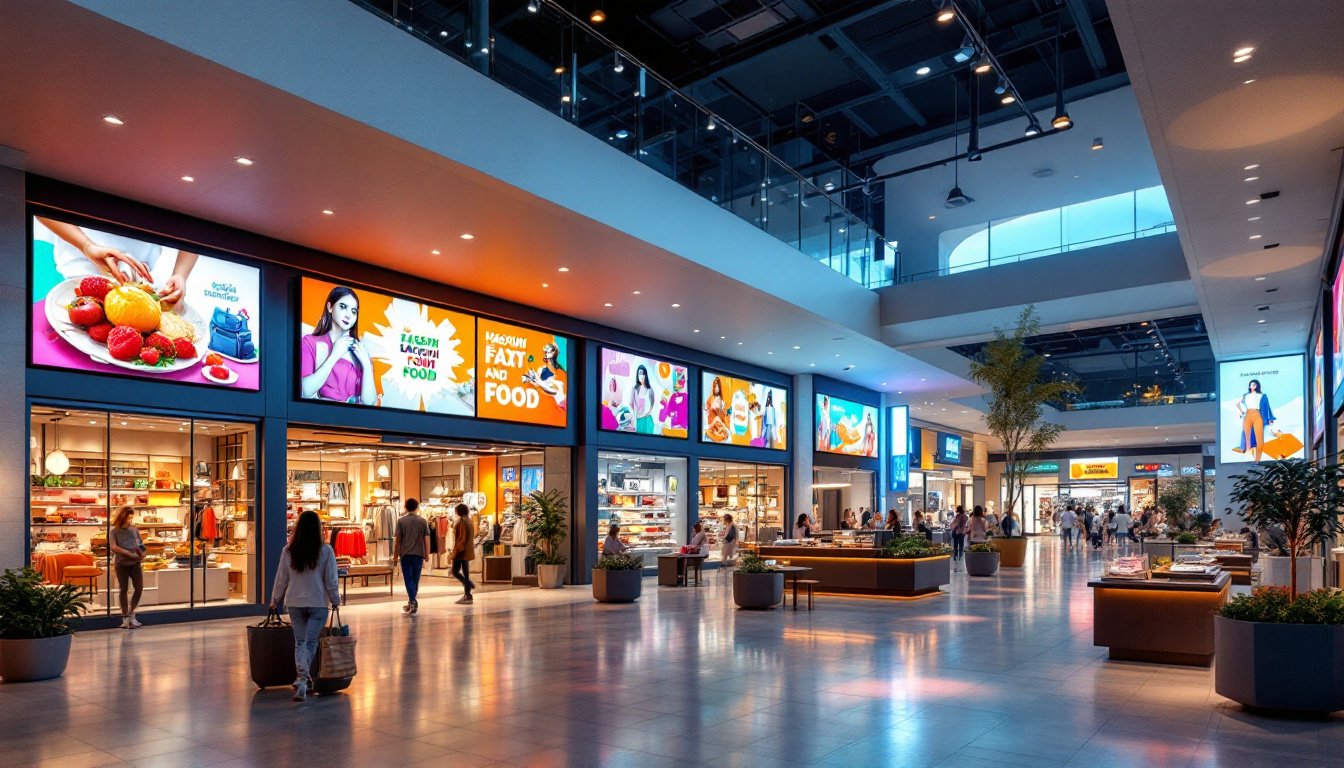
One of the digital signage benefits is that it combines bright colors and movements. Unlike traditional signage that blends into the background, digital screens stand out even in well-lit, high-traffic areas like shopping malls, airports, and streets.
In fact, studies show that digital displays get 400% more views than traditional static signs. Increased visibility typically means a greater pool of potential leads.
2. Holds customers’ attention longer
Digital displays don’t just get more views; they hold customers’ attention a bit longer. This is not surprising, considering that the human brain is highly attracted to dynamic visuals. Your potential customers will pay more attention to a screen displaying videos and high-imagery slides than a static, faded poster.
A longer attention span can boost sales because your customers are more likely to remember your brand and products in the future.
3. Enhances timely communication
If we’re talking about the advantages of digital signage, then timely communication tops the list. Timely communication has proven to increase sales, enabling businesses to make the most of every opportunity.
With digital signage, you can update information about a new product or limited-time offer in real time. If you’re using advanced digital signage software like Radix, you can schedule content to display on particular screens at a given time, maximizing audience engagement.
4. Creates better customer experiences
Another reason why digital signage is important for a business is its ability to improve customer experience. For instance, displaying products with attractive deals in retail can help customers make purchase decisions easily. Digital menu boards can present information in an easily digestible way, helping avoid confusion. Interactive wayfinding kiosks can make navigating busy properties easy by providing turn-by-turn directions.
These positive customer experiences can enhance brand reputation because customers feel heard and appreciated. This can drive customer loyalty, which is crucial when competing for public attention with other businesses.
5. It’s environmentally friendly
Today, most business partners and customers value companies that embrace eco-friendly practices. Digital signage is one way a business can go green and attract like-minded customers.
Traditional signage requires printing new posters, menus, and banners and discarding the old ones, which contributes to paper waste. This is not the case with digital signage, as the content is updated digitally.
Plus, most digital signage solutions allow you to update the content remotely; you avoid wasteful practices while saving time and money.
6. Supports real-time content update
One of the major benefits of digital signage in retail settings is the flexibility to display different types of content based on business needs.
Look at it this way. The best you can do when advertising your products on a banner is to display their names, prices, and store hours. If you want to provide an in-depth look at the products and show other people actually using them, traditional signage may not be of much help.
Conversely, digital displays support dynamic content, from promotional videos to live broadcasts and social media feeds. You can also engage your customers with interactive content like quizzes, live polls, and surveys.
7. Can help improve the work atmosphere
The benefits of digital signage in hospitals, hotels, airports, and universities also include enhancing the work atmosphere. Digital signage technology is a great tool for streamlining communication across various departments in a business. Whether it’s making announcements about upcoming meetings or sending emergency alerts, digital signage ensures consistent messaging every time.
Businesses can also use digital signage to recognize and motivate employees. For instance, you can feature the employee of the month on a section of the digital screens with testimonials from managers and colleagues. Digital signage can also be used to highlight the achievements of a particular team or department.
8. It’s cost-effective in the long run
The initial investment in setting up a digital signage system is usually high. However, the setup is much more cost-effective than conventional static signage, particularly for mid-size and large businesses.
If your business makes frequent updates, you can save thousands of dollars in the cost of printing, photocopying, storing, and discarding old traditional displays. Also, because the content is updated remotely, you save time and money by not having to replace the signage physically. Don’t forget that digital signage gets you more attention and customer engagement, which can translate into a higher ROI.
How effective is digital signage compared to traditional signage?
Both digital signage and traditional static signs have their advantages and disadvantages. Here’s a quick breakdown of how they compare so you can weigh your options:
Upfront cost
Of course, the initial investment of a digital signage network is significantly higher than traditional signage. A simple A-frame for sidewalk and outdoor advertising will cost you around $200 or less if you build it yourself. A large, high-end outdoor billboard costs $3000 to $10,000.
On the other hand, small to mid-size digital signage can cost up to $50,000, depending on the number and size of screens, software quality, and installation cost.
Type of content
The content on traditional signs does not change. They are effective for campaigns that require long-term static messages. However, if you’re trying to increase foot traffic into your store, traditional signs are not as eye-catching as digital signage screens. They are also very easy to overlook.
Digital signage systems are hard to beat in terms of what you can display. You can display a variety of content, including videos, animations, and real-time news feeds. You can also use it to drive traffic to your social media pages, helping you grow an online community.
Updating content
With digital signage, you can change the message on a fleet of screens on the fly. In fact, digital signage software with a user-friendly interface allows users to design and update content with little to no technical expertise.
The only way to display real-time updates is to physically replace the posters and banners with newer ones. While this may be easy for a mobile A-frame, updating a large traditional billboard can be labor-intensive and time-consuming.
Overall, both digital signage and traditional signs have their place in marketing. While less flexible, traditional signage is best suited for businesses that don’t require frequent content changes.
However, if you’re looking to maximize your marketing efforts in a fast-paced environment, digital signage will offer a more effective solution. Although it’s costly to set up, digital signage offers better ROI in terms of flexibility and enhanced customer engagement.
Using Radix’s digital signage solution to boost engagement
Get a competitive edge in terms of customer engagement and brand visibility with the leading digital signage solution. Getting started with Radix digital signage solution is easy:
Set up your hardware
We’ve ensured Radix is compatible with various devices, including information kiosks, interactive screens, Smart TVs, tablets, laptops, and phones.
Download and install Radix
Connect your hardware to the internet and download Radix on every device. Our platform supports Android, Windows, Linux, and Chrome OS.
Enroll your devices
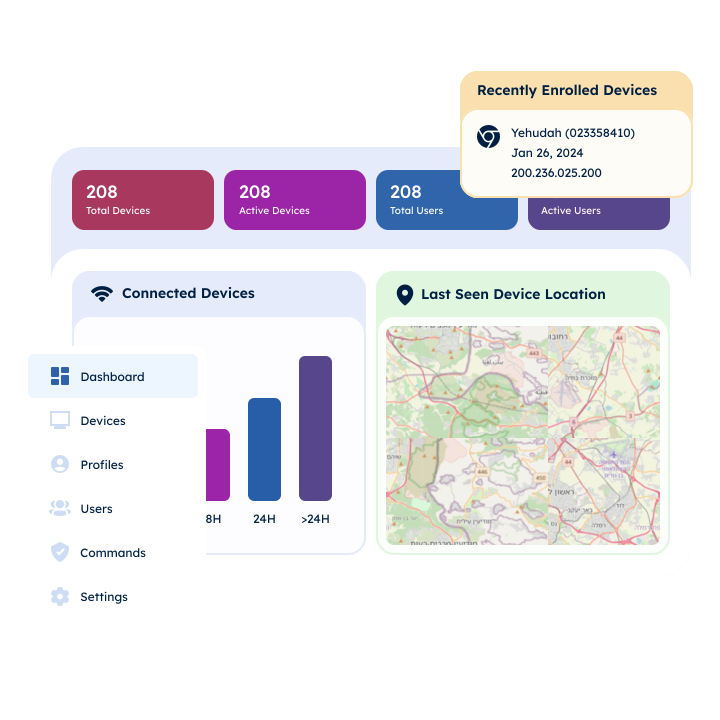
Go to Radix-int.com and create a free account. Use your account details to log in to the Radix app on every device.
Create dynamic content
Radix lets you upload content from external sources or use our customizable templates to create content from scratch. You can make all types of content, from videos to animations and high-quality images.
Click here for a free demo and expert guide on Radix features that will help you stand out from the competition.
FAQs
What are the cons of digital signage?
Digital signage cons that most people highlight include the high initial cost and the need for ongoing maintenance costs.
Why is good signage design important?
Digital signage is good for your advertising campaigns as it gets 400% more views than traditional static signs. It’s also more flexible, allowing you to create different content and make updates remotely and instantly.
How effective are digital billboards?
Recent research shows that digital signage can boost sales by up to 30% and increase brand awareness by over 47%.
Is digital signage profitable?
Yes- digital signage can be profitable if you are in a high-traffic environment that requires updating content regularly. Besides enabling you to run more effective and timely ads, digital signage captures more attention, which may lead to increased sales. It does this while saving you the cost of printing, shipping, and installing traditional signs like banners and posters.
 High-Performance MDM for Digital Signage: Accept Nothing Less in 2025
  The Digital Signage Strategic Advantage: Comprehensive Digital Notice Board Management for System Integrators
  How to Choose the Right Device Management Solution for Informational Kiosks in 2025
  What Is Digital Signage? A Complete Beginner’s Guide
  Upgrade Your Screens with Radix’s Android Digital Signage